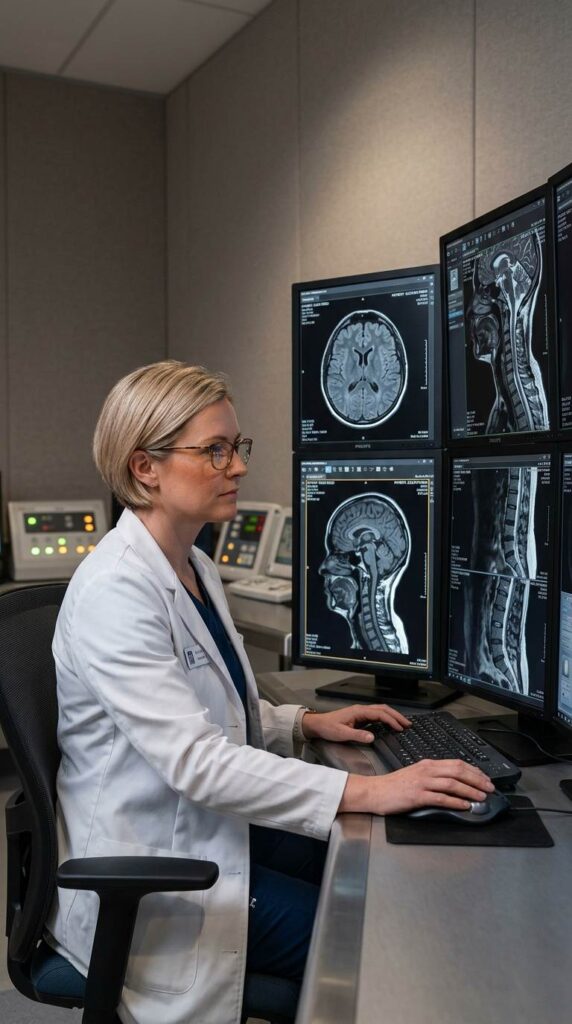
A “second opinion” is a medical act in which a specialist radiologist registered in the register issues a second opinion on a radiological examination already performed.
This clinical practice, very widespread in Europe and Anglo-Saxon countries, arises from the increasingly felt need by clinicians and the patient’s right to receive a diagnosis that is as accurate as possible.
According to some Anglo-Saxon studies, a second opinion drastically reduces the margin of error in the outcome of a diagnostic evaluation, whether radiological or of another type, as well as limiting the repetition of diagnostic exams, which can be unnecessary or even harmful if the initial diagnosis is unclear and inaccurate or if the caregivers still have many doubts about the diagnosis.
Greater diagnostic accuracy improves the effectiveness of therapeutic treatment and directs towards better clinical management of the patient with improved outcome and reduction of healthcare costs.
Independent re-evaluation of radiological images (CT, MRI, X-ray) with correlation from clinical information from the patient, the specialist, or the GP.
Possible clarification of diagnostic doubts and formulation of diagnostic conclusions and differential diagnoses.
Support for therapeutic clinical decisions to contribute, together with caregivers, to the best diagnostic-therapeutic path, avoiding UNNECESSARY and potentially harmful exams, diagnoses, and helping to direct towards the most appropriate therapeutic path.
A second opinion can result in:
The second opinion is not binding as the patient’s care is the prerogative of the GP and specialists who are already following the clinical case!
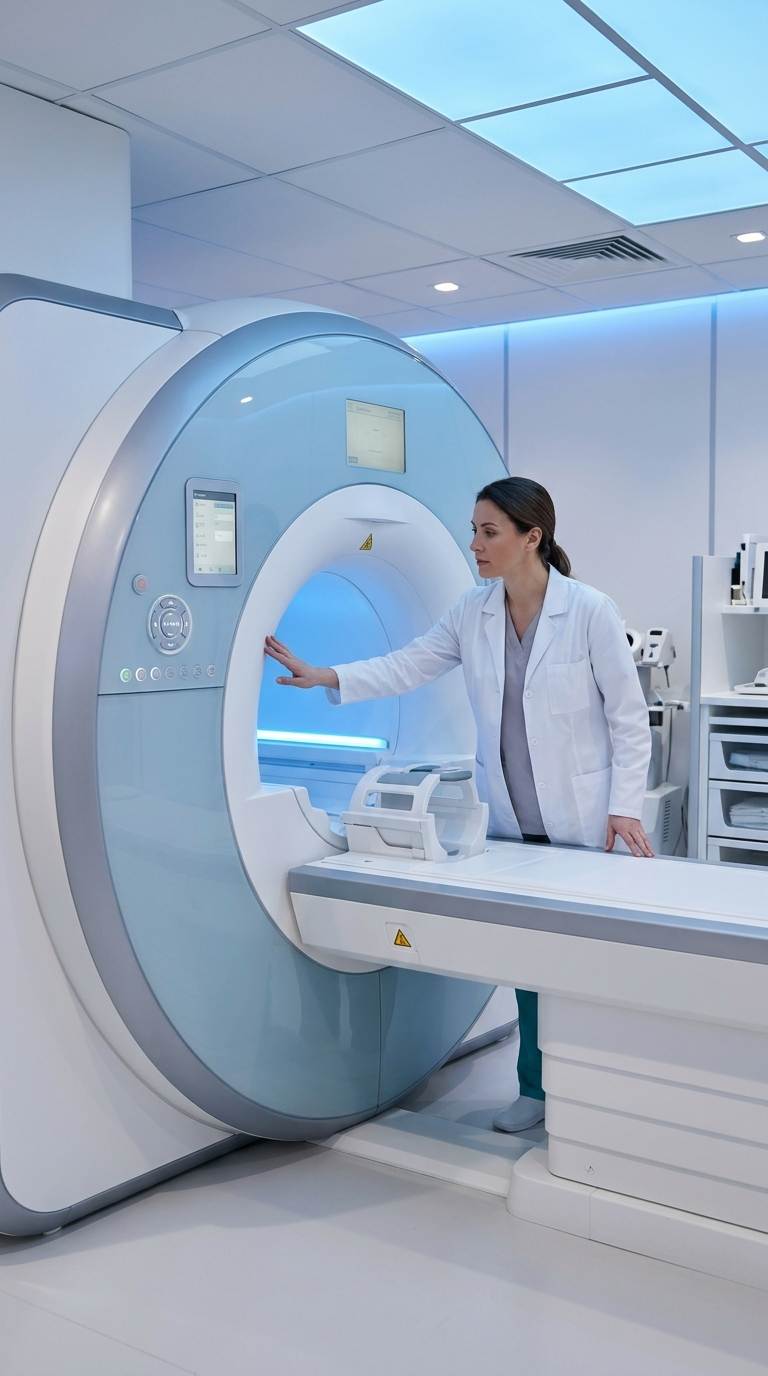
The second opinion can be discussed via zoom or teams, upon request.
The second opinion provides an additional opinion to the evaluation of the doctors treating the patient.
In the spirit of teamwork, it is hoped that the results of the second opinion will be discussed in ad hoc multidisciplinary clinical-radiological conferences.